Casual Shirts for Men: Office Wear Guide

The office dress code has shifted dramatically. More workplaces now follow business casual guidelines, and many have no formal dress code. What does that mean for your everyday office wear? You need casual shirts for men that strike the right balance between comfort and professionalism. Here's what you need to know about choosing and wearing work shirts that men can rely on.
Understanding Office-Appropriate Casual Shirts
Office wear shirts sit between formal dress shirts and weekend t-shirts. The key difference lies in structure. Men's casual shirts for work have collars, proper fit, and clean lines without being stiff or overly formal.
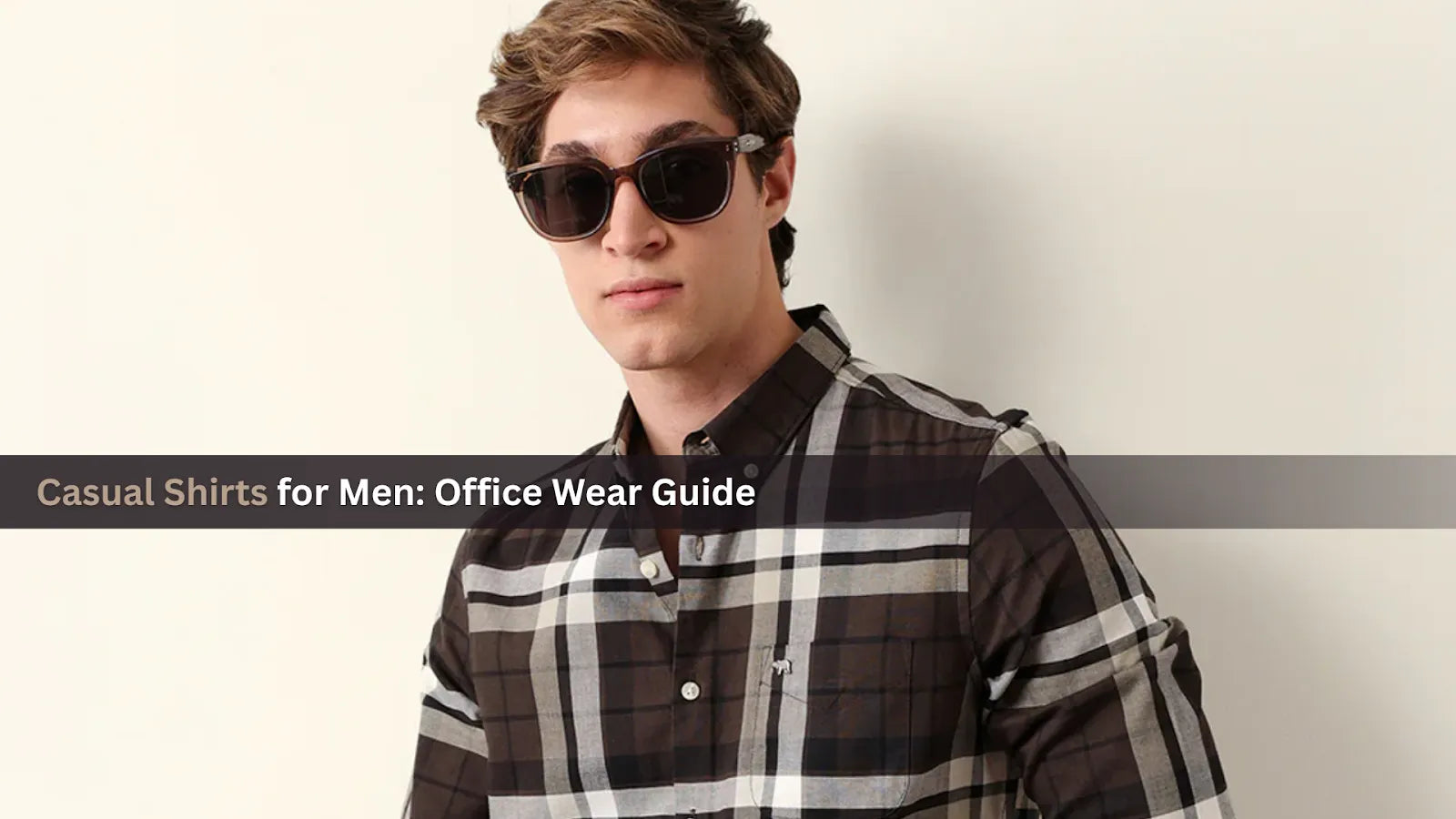
Oxford button-downs remain the gold standard. The fabric is less shiny than formal dress shirts, the collar buttons down for a relaxed look, and you can wear them tucked or untucked, depending on your workplace culture. Chambray shirts offer similar versatility with added texture.
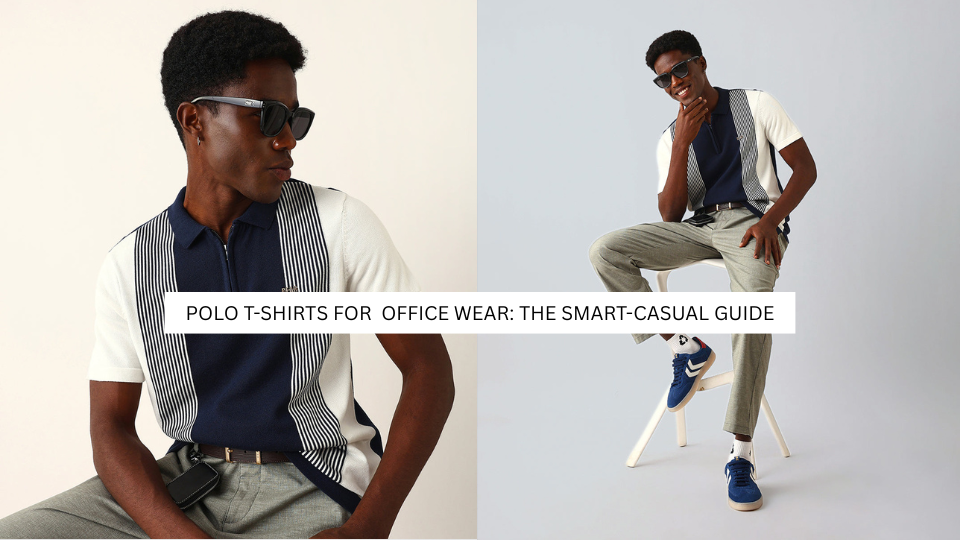
Polo T-shirts work in most business casual environments. Choose solid colors or subtle patterns, and make sure the fit is neither too tight nor too loose.
Choosing the Right Fabric
Cotton remains the king for office wear. 100% cotton poplin shirts provide structure and breathability without wrinkling excessively. Look for shirts that feel substantial but not stiff.
Oxford cloth offers a slightly textured weave that resists wrinkles better than smooth poplin. The fabric breaks in beautifully and gets more comfortable with wear.
Linen works for warmer climates but wrinkles easily. Cotton-linen blends give you breathability with better wrinkle resistance. Curious about different fabric options? Here's a breakdown of flannel vs chamois fabric.
Avoid synthetic fabrics that look shiny or feel plasticky. They rarely breathe well and can appear cheap under office lighting.
Colors and Patterns That Work
Start with basics. White shirts, red shirts, black shirts, light blue shirts, and grey shirts form the foundation of any office wardrobe. These essential shades work with everything and never look out of place.
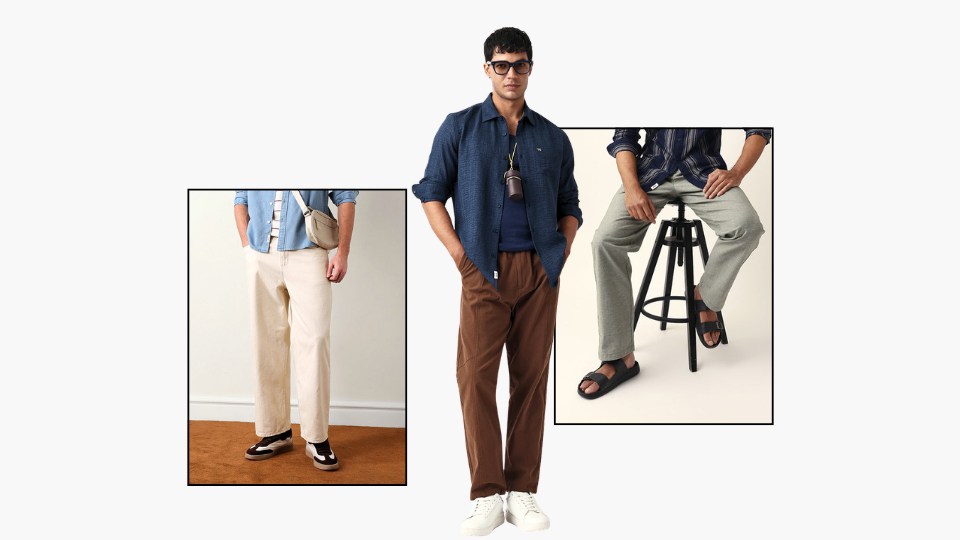
Navy and darker blues project confidence without formality. Pair them with khaki chinos or grey trousers for a clean, professional look.
Patterns add personality without crossing professional boundaries. Small checks, subtle stripes, and discreet prints all work well. Keep patterns refined and avoid anything too bold or busy that might distract during meetings. Stick to one patterned piece at a time.
Getting the Fit Right
A properly fitted casual shirt should move with you without excess fabric bunching at the waist or shoulders pulling when you reach forward.
Your shoulders should sit right at your natural shoulder line. The collar should button comfortably without gapping or choking. Sleeves should end where your wrist meets your hand. Body fit matters more than specific labels like "slim" or "regular."
Length determines whether you can wear the shirt untucked. True casual shirts for men designed to be worn out should end mid-fly. Longer shirts meant for tucking look sloppy when left loose.
Styling Your Office Casual Shirts
Pair men's casual shirts with trousers or chinos in complementary colors. Earth tones, navy, grey, and khaki all work together naturally. Match your belt to your shoes for a cohesive look.
Button-downs look sharp tucked into trousers with a leather belt. Leave the top button undone unless you're wearing a tie. Polos should fit close to the body without clinging. Wear them untucked with chinos or dark jeans if your office allows denim.
Layer office wear shirts under lightweight sweaters or blazers when temperatures drop. A chambray shirt under a navy blazer works for client presentations. The same shirt with chinos works for regular office days.
What to Avoid
Skip graphic tees, loud prints, and anything with logos plastered across the chest. Business casual doesn't mean casual t-shirts.
Avoid shirts that are too tight or too loose. Both extremes look unprofessional. Wrinkled, stained, or frayed shirts undermine even the best outfit. Don't wear the same shirt two days in a row, even if it still looks clean.
Building Your Work Shirt Rotation
Start with five solid work shirts that men can rotate through the week. Two white or light blue, one navy, one grey, and one in a pattern you like. That rotation gets you through without repeating.
Add specialty pieces as you understand your office culture better. Quality matters more than quantity. Three well-made shirts that fit properly and hold their shape serve you better than ten cheap ones that look tired after a few months.
About The Bear House
We don't do fast fashion. We do forever pieces for the modern young gentleman who is full of loud laughs, quiet silences, and a lot of heart. Our clothes don't follow trends, but moments. Think clean lines. European minimalism. Without all that fuss. Our shirts are made from premium fabrics that hold up wash after wash. Visit our stores or check out our 999 Store for quality essentials.
Dress for Your Day
According to a SHRM workplace survey, business casual remains the most common dress code across industries, with more companies embracing relaxed professional attire. The right casual shirts for men make getting dressed for work effortless. Invest in quality basics, focus on fit, and build a rotation that works for your lifestyle.
Shop our shirt collection and upgrade your office wardrobe today.
Frequently Asked Questions
Can I wear casual shirts untucked to the office?
Yes, if the shirt is designed for it and your workplace allows untucked styles. Shirts cut to be worn out should end around mid-fly length. Watch what senior colleagues wear and follow those cues.
What's the difference between business casual and smart casual?
Business casual leans slightly more formal with button-downs and collared polos. Smart casual allows more flexibility with textures and patterns. When in doubt, go one level more formal.
How many casual shirts do I need for work?
- Five to seven shirts create a solid rotation
- Enough variety to avoid repeating while giving each piece time to rest
What fabrics work best for office shirts?
- Cotton and cotton blends top the list
- Oxford cloth, poplin, and chambray all maintain a professional appearance
Should work shirts be tucked or untucked?
Follow your office norms. Conservative workplaces expect tucked shirts. Creative industries often embrace untucked styles. Shirts designed for tucking have longer hems and look sloppy when left out.